Your office manager keeps a notepad by the phone. She keeps a notepad by the phone for actual calls, tally marks, and a slash for four, because that is how she's always done it and nobody ever asked her to stop.
At the end of the month, you open the ad dashboard. It says 120 conversions.
Then you look at the notepad. Forty-one marks.
You ask whether she might have missed a few. She says no, and she is not the kind of person who misses a few. She is right.
The dashboard is also right. It counted exactly what it was told to count. That is the part that costs you money, and it is not the part anyone talks about.
By month three, your cost per lead had doubled, and nobody could tell you why. The agency said the market got more competitive. The platform said to raise your budget. The conversion number kept going up the whole time.
Here is the part almost nobody explains, and it is the reason this gets worse instead of staying flat:
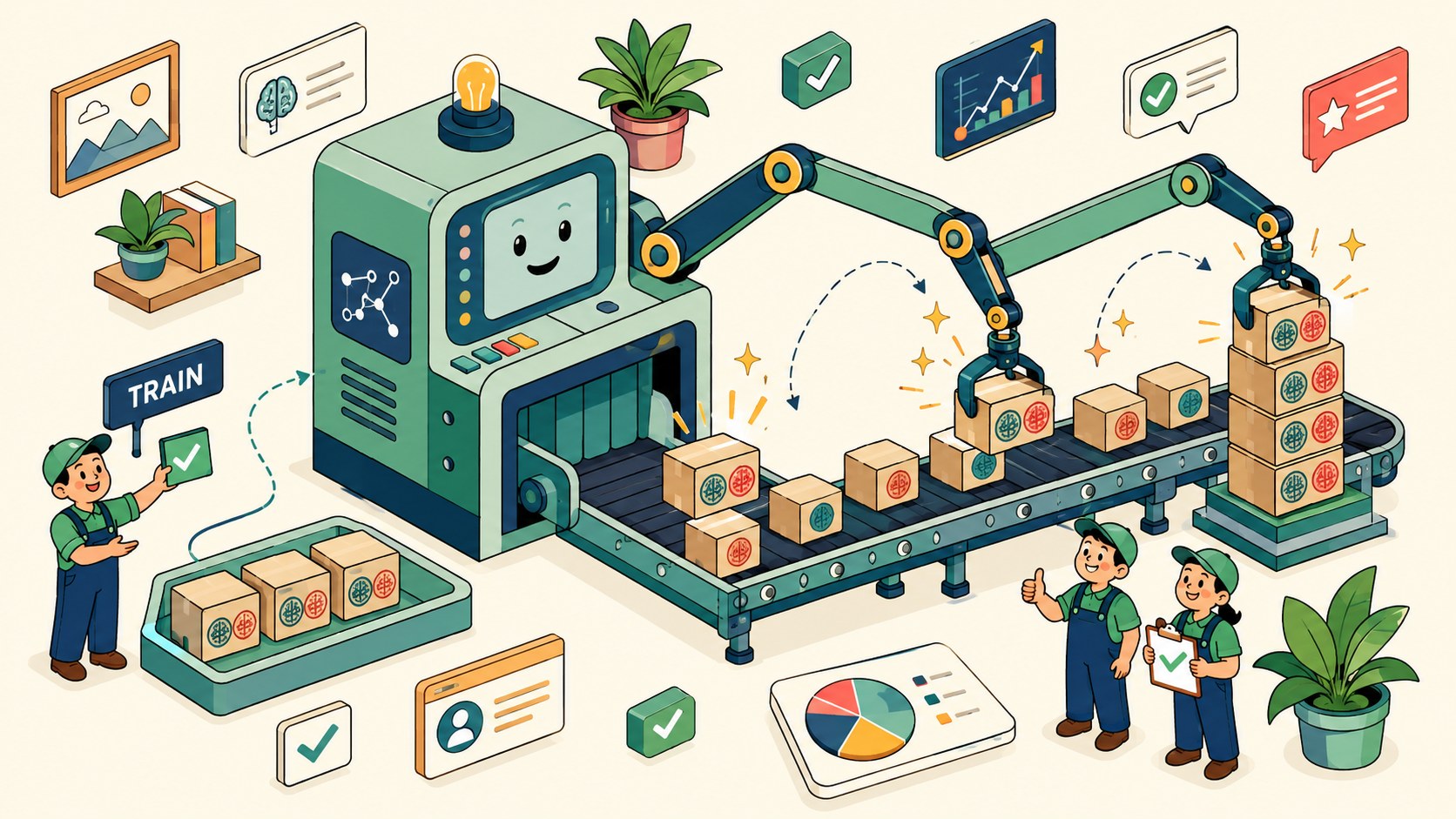
Modern ad platforms don't just report your conversions. They learn from them.
The error doesn't sit still
Smart Bidding, Performance Max, Advantage+. Every automated bidding system works the same way. You tell it what a conversion is. It finds more people who look like the people who converted. That is the entire mechanism, and it is genuinely good when the input is honest.
When the input is wrong, the mechanism doesn't stop. It just gets better at finding the wrong person.
That is the difference between a wasted budget and a corrupted one. A wasted budget is money you don't get back. A corrupted budget is money you don't get back, plus a bidding model that has spent ninety days learning a false definition of a good customer, and it will keep spending against that definition after you fix the tag, until it relearns.
Pausing a campaign costs you a week of leads. Not pausing it costs you the model.
What "broken tracking" actually looks like
It is almost never a missing tag. A missing tag is loud. The number is zero; somebody notices.
The expensive failures are the quiet ones, where the number looks plausible and is wrong:
The conversion that fires twice. In one audit, a single conversion action fired on both a form-submit listener and a thank-you-page load. Every real lead was counted as two. That went undetected for 38 days, and the effect wasn't a doubled report. It corrupted bid signals by a factor of 5 to 7, because the platform optimized toward a phantom conversion rate no real campaign could sustain.
Two pixel managers, one pixel. A site running both PixelYourSite and Pixel Cat, each dutifully initializing the same Meta pixel on every page load. Every event doubled. Both plugins were working perfectly. That was the problem.
Everything installed, nothing marked. GA4 present. Meta pixel present. Tag Manager present. And zero conversion events across eleven pages, because the thank-you pages existed and had never been designated as conversions. Full instrumentation, no measurement. A twenty-minute fix that had been costing money for a year.
The form that posts into the void. Sixteen specialty pages, each with a lead form, each posting to a marketing-automation endpoint that had been decommissioned. The forms submitted. The success message displayed. The leads went nowhere. I found it by filling one out myself and waiting for an email that never came.
Not one of those sites had an obvious symptom. Every one of them had a dashboard that looked fine.
The three checks, before your next dollar
You do not need an audit to do this. You need twenty minutes and a willingness to distrust your own dashboard.
1. Fire a real conversion and count it. Submit your own form. Buy your own product with a test transaction. Then open the platform and count how many conversions appeared. Not "did one appear." How many. One real action should produce exactly one recorded conversion. If it produced two, you have found your bid corruption. If it produced none, you have found something worse and cheaper to fix.
2. Read what the platform is actually optimizing toward. Open your conversion actions list and look at which ones are marked primary. Newsletter signups and phone-number clicks marked primary will train the algorithm to buy you newsletter signups and phone-number clicks. It will succeed. Rank your conversion actions by what they are worth to the business, then make sure the platform's hierarchy matches yours.
3. Follow one lead end to end. From the ad click to the moment a human replies. Not the tracked path. The real one. Most broken funnels break at a handoff nobody owns: the form posts, the notification email routes to a mailbox nobody reads, and the lead ages out. Tracking that is technically perfect measures a process that is functionally dead.
The honest version of "should I run ads?"
The usual advice is that ads and organic work together, and you should run ads while you build rankings. That advice isn't wrong, but it skips the question that decides whether it applies to you.
The question isn't whether my rankings are good enough yet. It is: can I currently tell the difference between a good lead and a bad one in the data the algorithm reads?
If yes, run ads. Weak rankings are a fine reason to buy traffic.
If no, every day you run is a day the model learns something false, and the cost of that compounds in a way the monthly report will never show you. Fix the measurement first, not because it is virtuous, but because it is the only version where the money you spend teaches the machine something true.
If you would rather someone else ran those three checks, request a free site analysis and we will tell you what your conversion tracking is actually counting.
Next: once your tracking is honest, the next decision is where that traffic lands, and whether you're building an asset or renting one. The landing page you rent, and the page you own (coming soon).